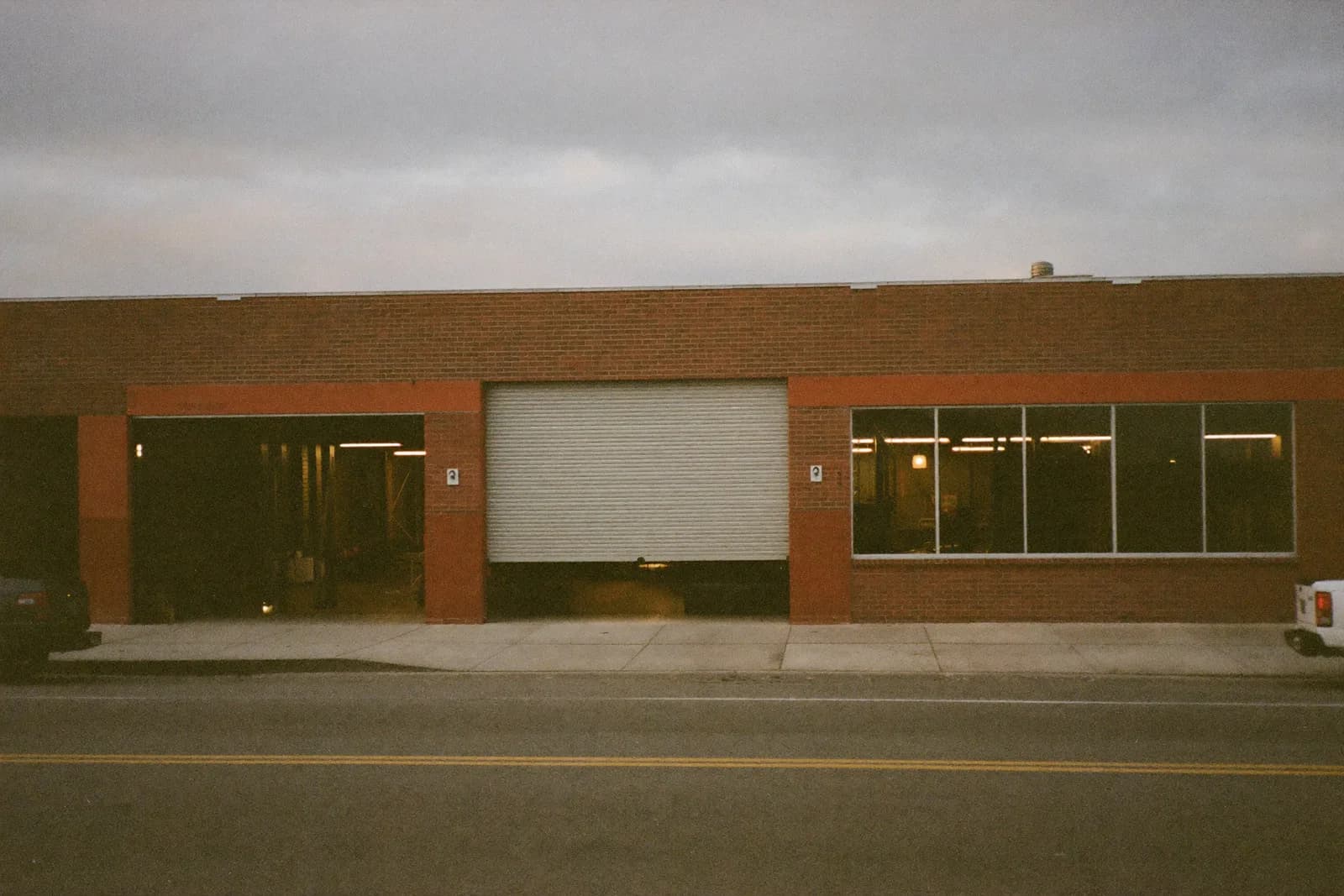
Permits for small-scale manufacturing in converted retail space rose 40% year over year across mid-size US cities, according to the Sherwood Index, which tracks change-of-use filings in 62 metros with populations between 100,000 and 500,000.
The index counted 3,180 such permits in the twelve months to March, against 2,270 the year before. It counts a filing as a micro-factory conversion when a building zoned or last used for retail is permitted for light production under 15,000 square feet — a bakery’s ovens qualify, a warehouse fit-out does not.
Growth was not evenly spread. Sherwood’s researchers found more than half the increase came from 14 metros, most of them places where a downtown lost an anchor tenant between 2019 and 2023 and the resulting vacancy pushed ground-floor rents below what industrial space nearby was asking. Cheap frontage, in other words, is doing the work that no incentive programme managed.
What is going into the shopfronts
- Food production — bakeries, roasters, small-batch canning — at 31% of filings, the largest single category.
- Furniture, cabinetry and joinery at 19%, concentrated in metros with existing timber supply.
- Apparel and textiles at 14%, a category the index recorded in the low single digits five years ago.
- Electronics assembly and prototyping at 11%, almost entirely in metros with a university engineering programme.
The index’s authors are careful about what the number does and does not show. A permit is an intention, not a business; Sherwood’s own follow-up sample suggests roughly one in six conversions is not operating eighteen months later, a failure rate it calls unremarkable for new manufacturing but worth stating plainly next to a headline percentage.
There is also a ceiling in the buildings themselves. Retail floors are rated for shoppers, not machines, and the index notes a rising share of filings that include structural reinforcement — 22% last year against 9% in 2022. That work is what turns a cheap lease into an expensive one, and it is the point at which several of the conversions Sherwood tracked stopped.
Sherwood publishes the count quarterly. The next release, in October, is the first that will include a second year of the reinforcement figure — which is the number to watch, since it says whether the trend is founders finding cheap space or founders discovering what it costs.