Stories
Company profiles and the decisions behind them.
Profile
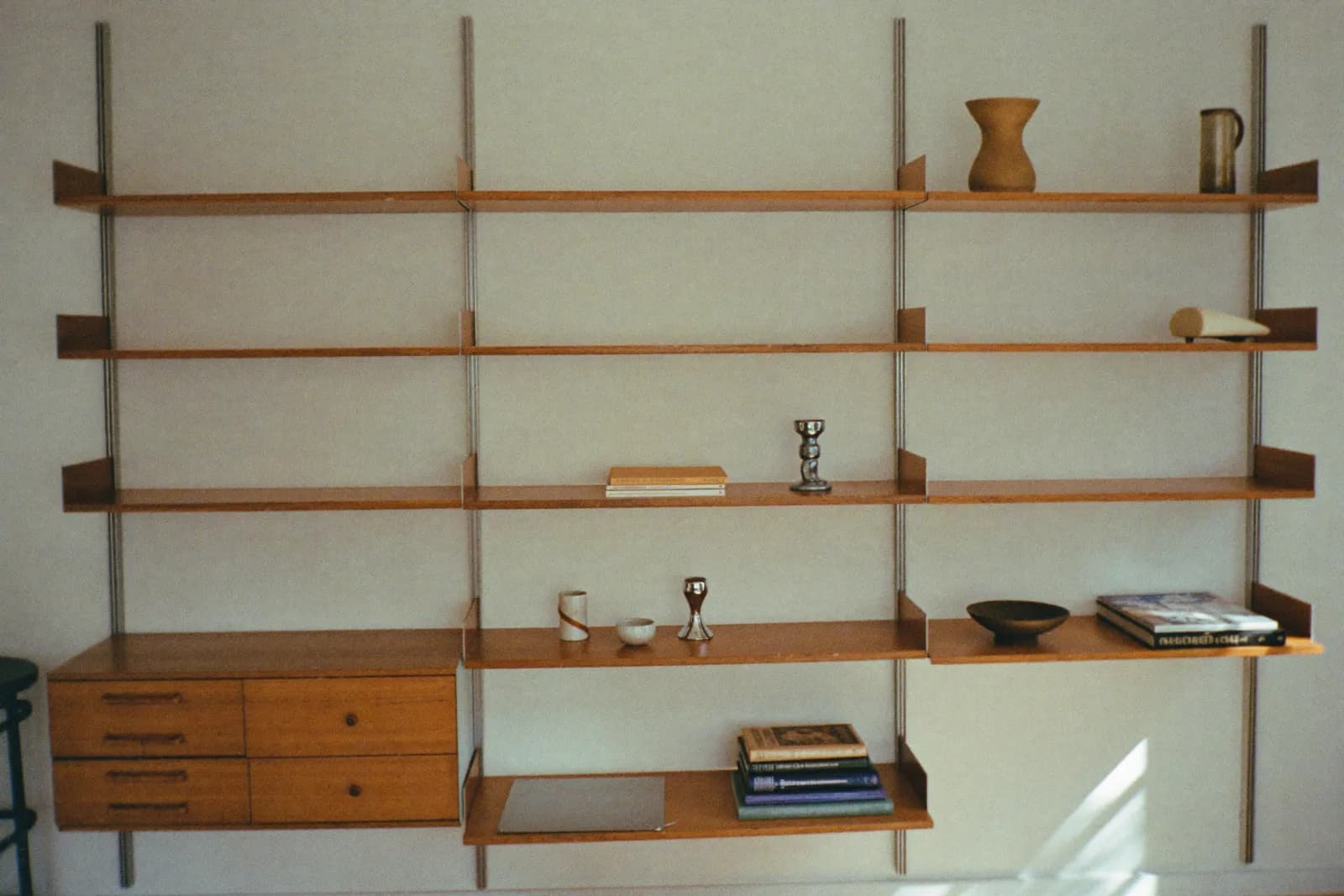
The Slow Build
For more than sixty years, Vitsœ has sold essentially one idea: furniture you buy once, add to slowly, and take with you when you move. Its managing director has spent three decades refusing the faster ways to grow — and treats that refusal as the product.
Funding
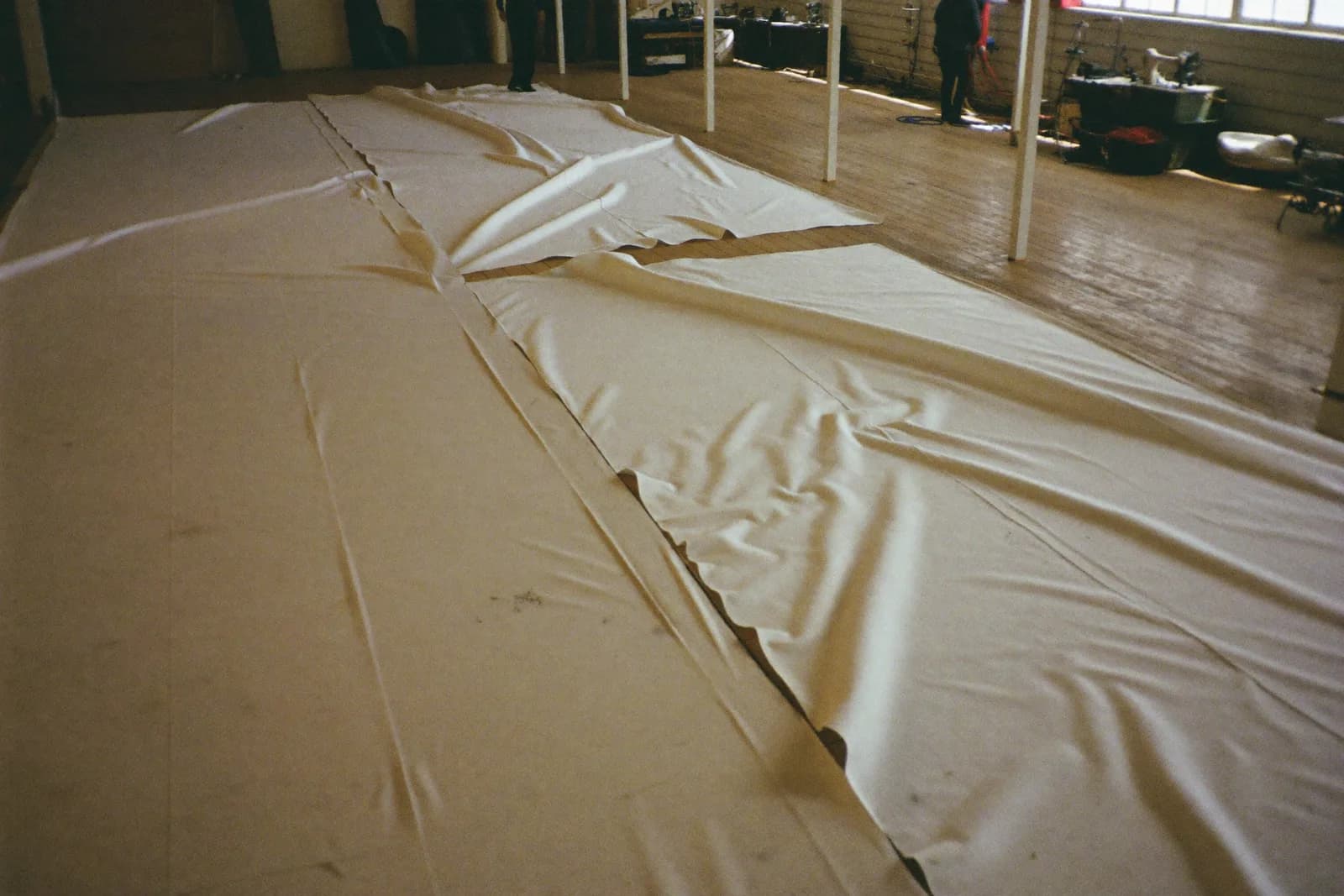
Halyard passes $6M ARR, still no outside capital
The sailmaker crossed $6M in recurring revenue in June with 31 staff, two declined term sheets and four straight profitable years behind it.
People
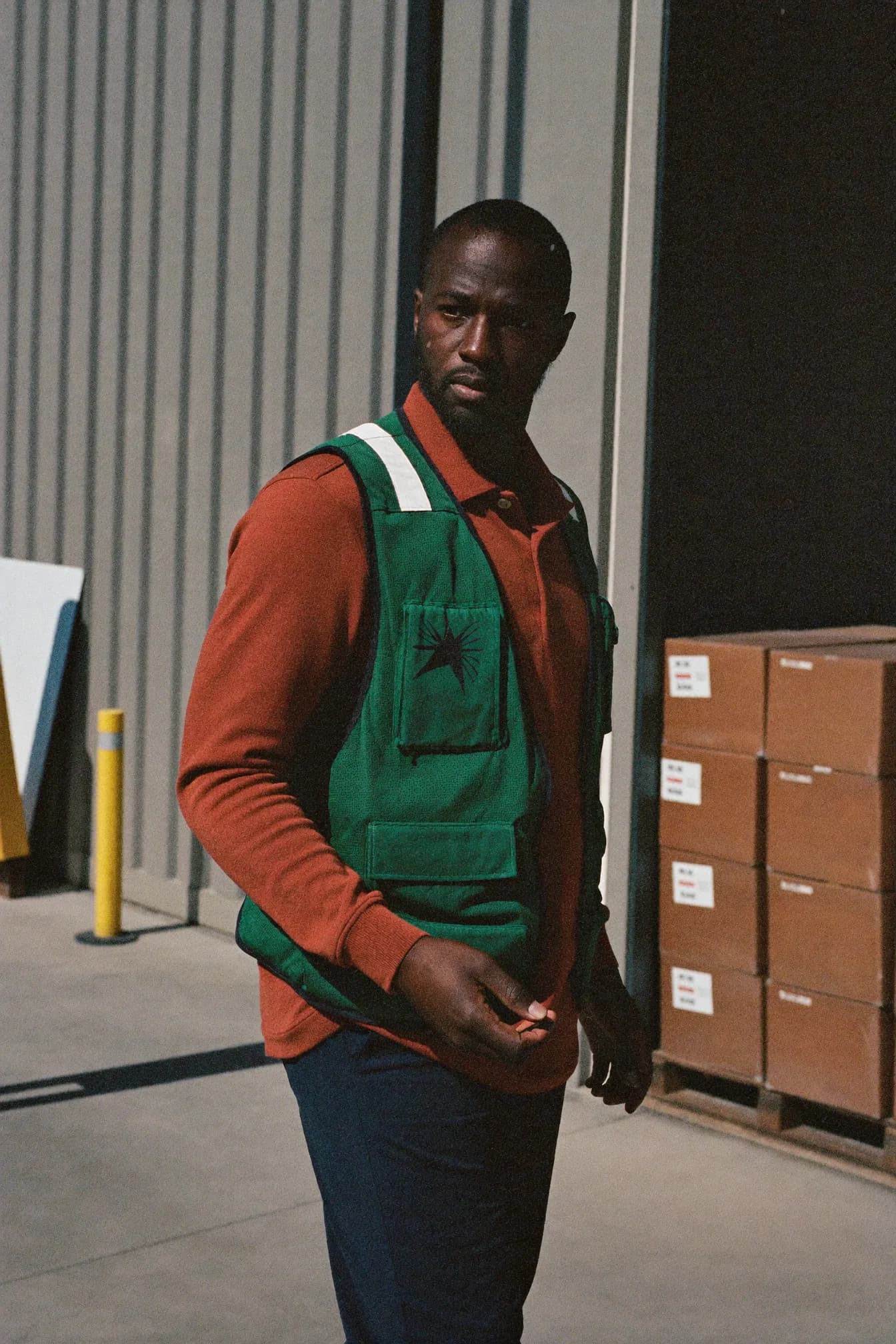
Daniel Kwame leaves Nexa to launch a climate-logistics venture
Nexa’s eleventh employee is leaving the 4,000-person logistics company to build refrigeration monitoring for the freight lanes he helped design.
Markets
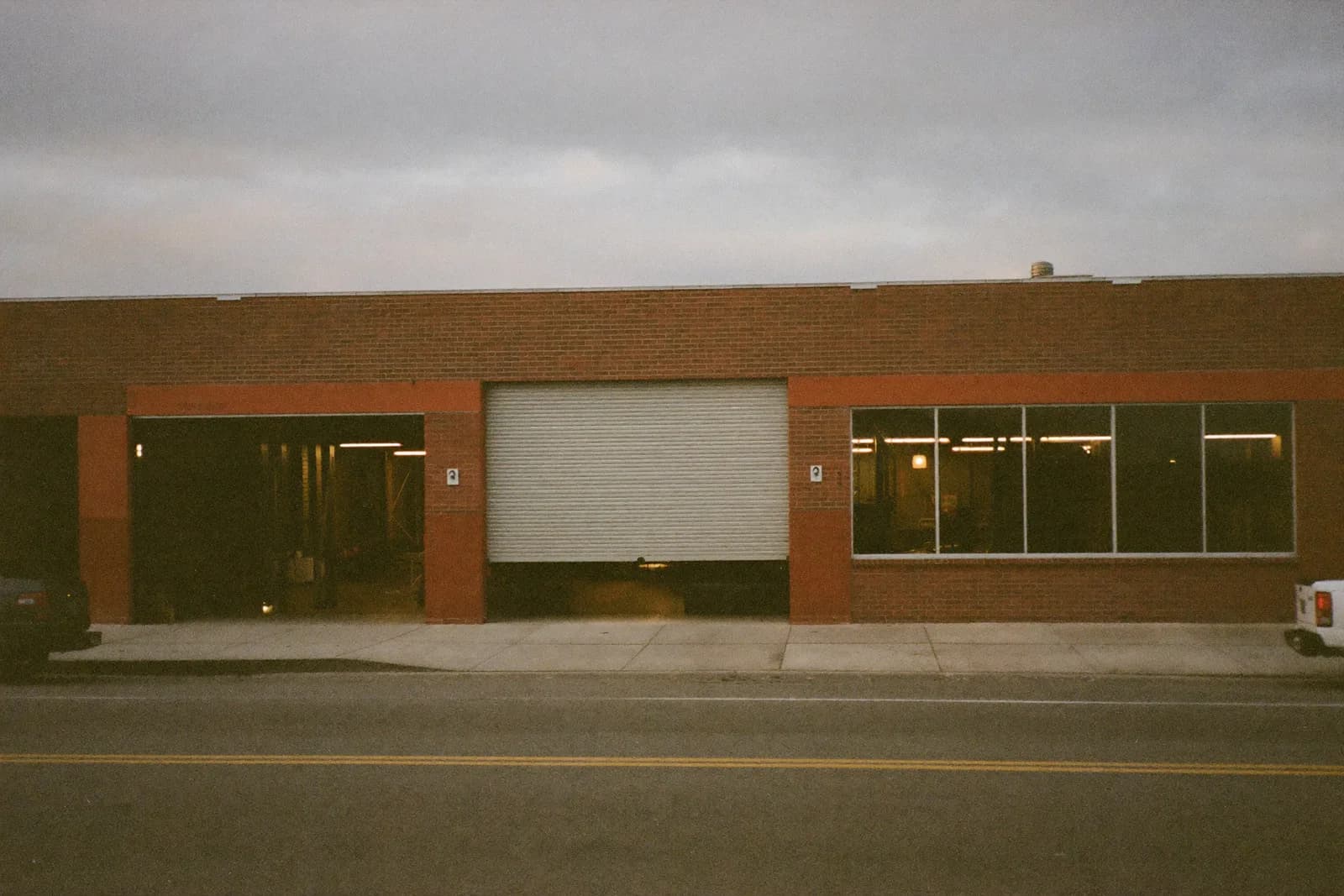
Micro-factory permits up 40% across mid-size US cities
The Sherwood Index counted 40% more small-scale manufacturing permits in converted retail space last year — and found the buildings cheap for a reason.
Product
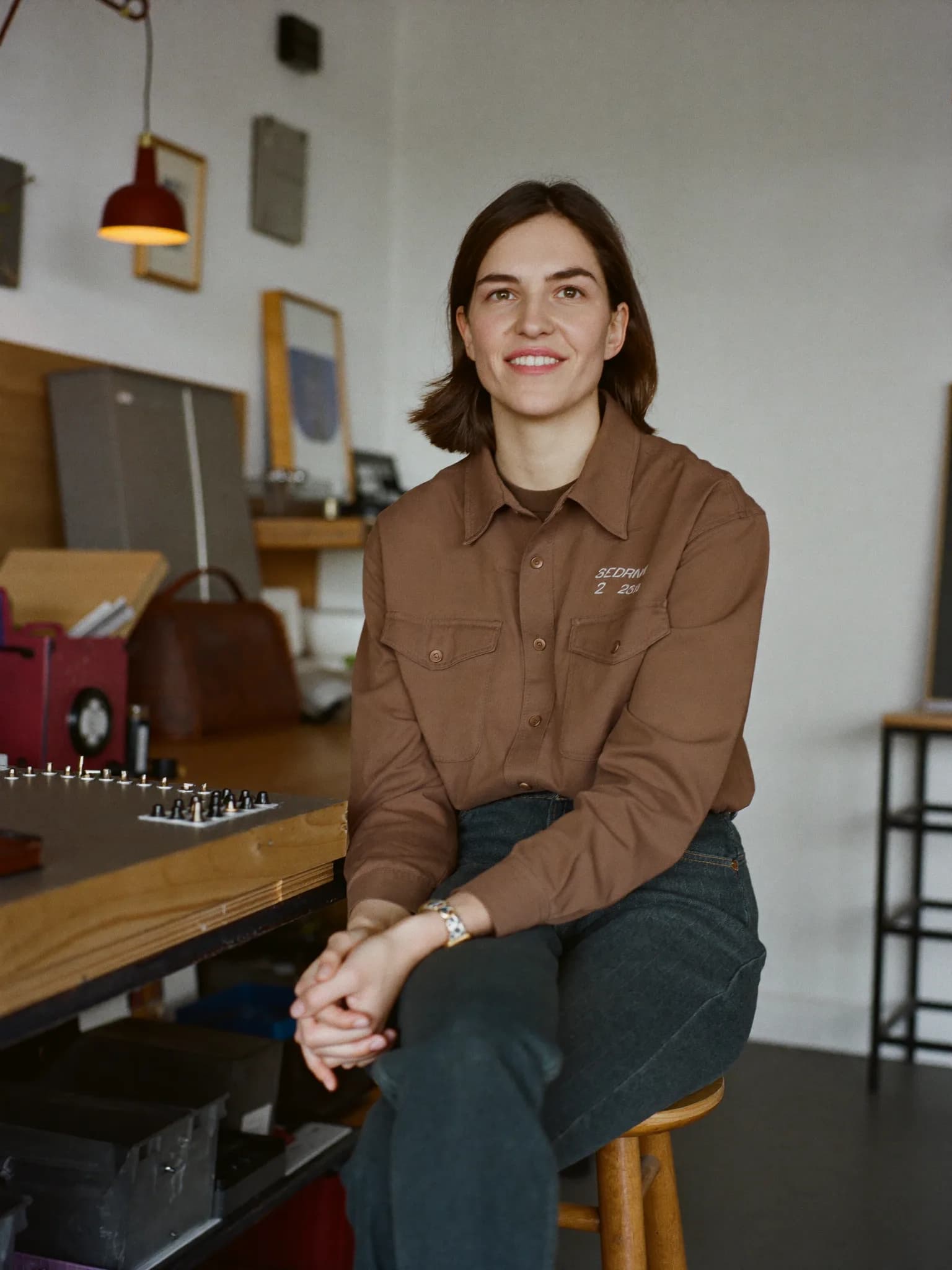
Fieldnote opens its farm-routing API to co-op partners
Maya Okonjo’s two-person company will let co-ops build on the routing engine directly — free under 40 member farms, priced above it.
Company Profile
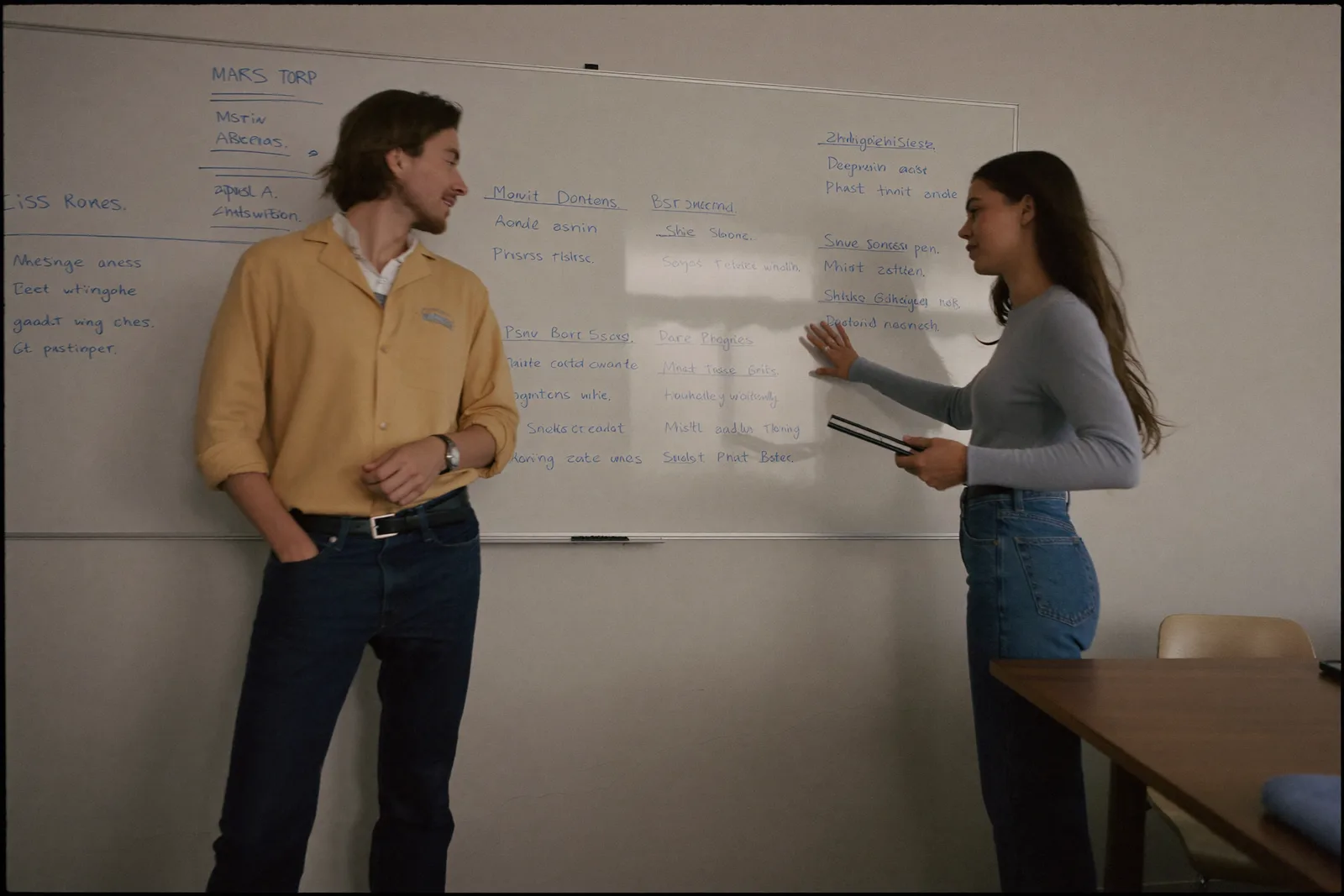
The company Halyard didn’t build
Ana Ferreira and Tom Aldous have run a sailmaking company to $6M ARR and 31 staff without outside money. The interesting decisions are all the ones they declined.