Topics
Every story, sorted by theme. 14 topics across the archive.
Company Profile
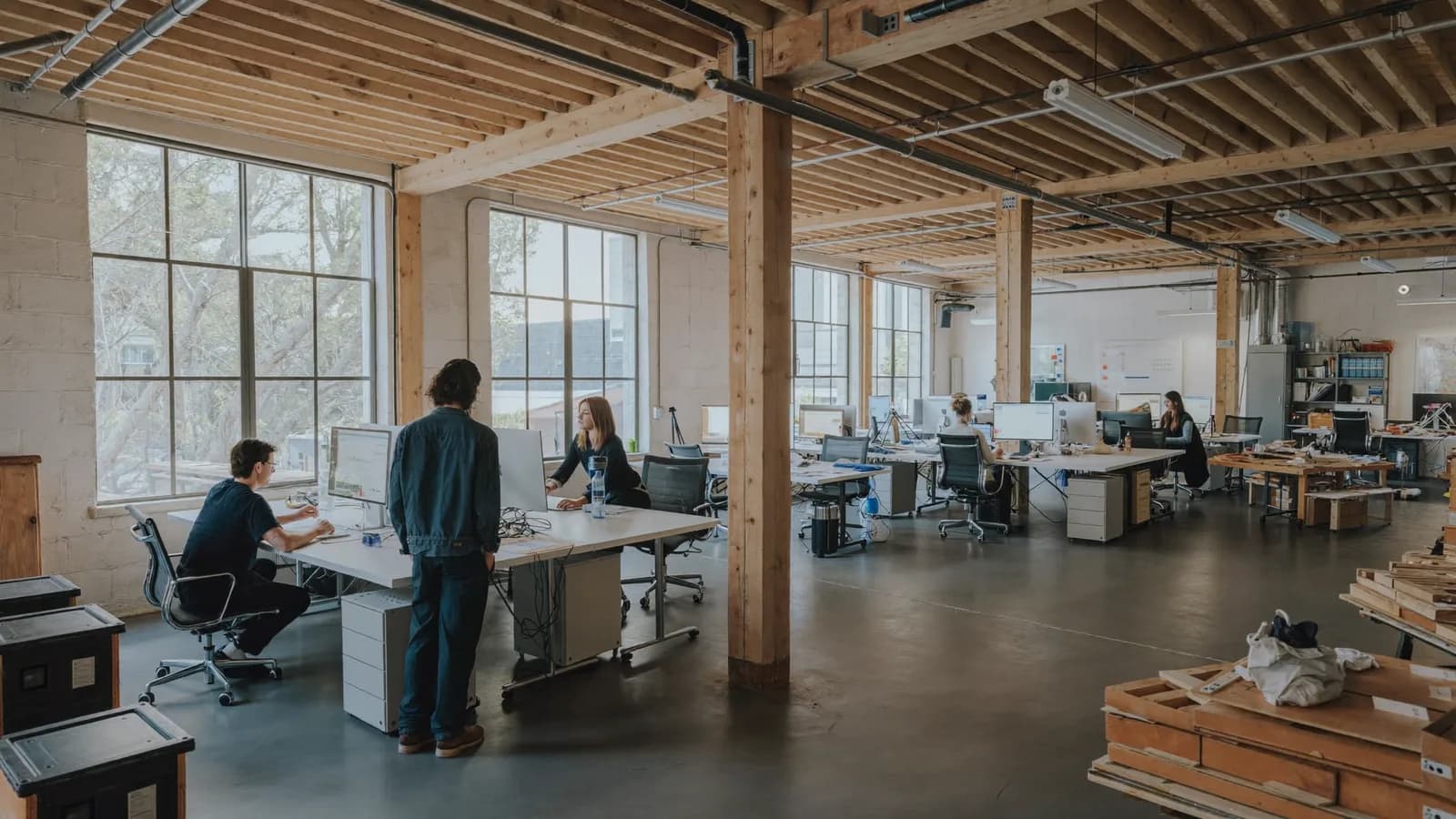
The company Halyard didn’t build
Ana Ferreira and Tom Aldous have run a sailmaking company to $6M ARR and 31 staff without outside money. The interesting decisions are all the ones they declined.
Company Profile
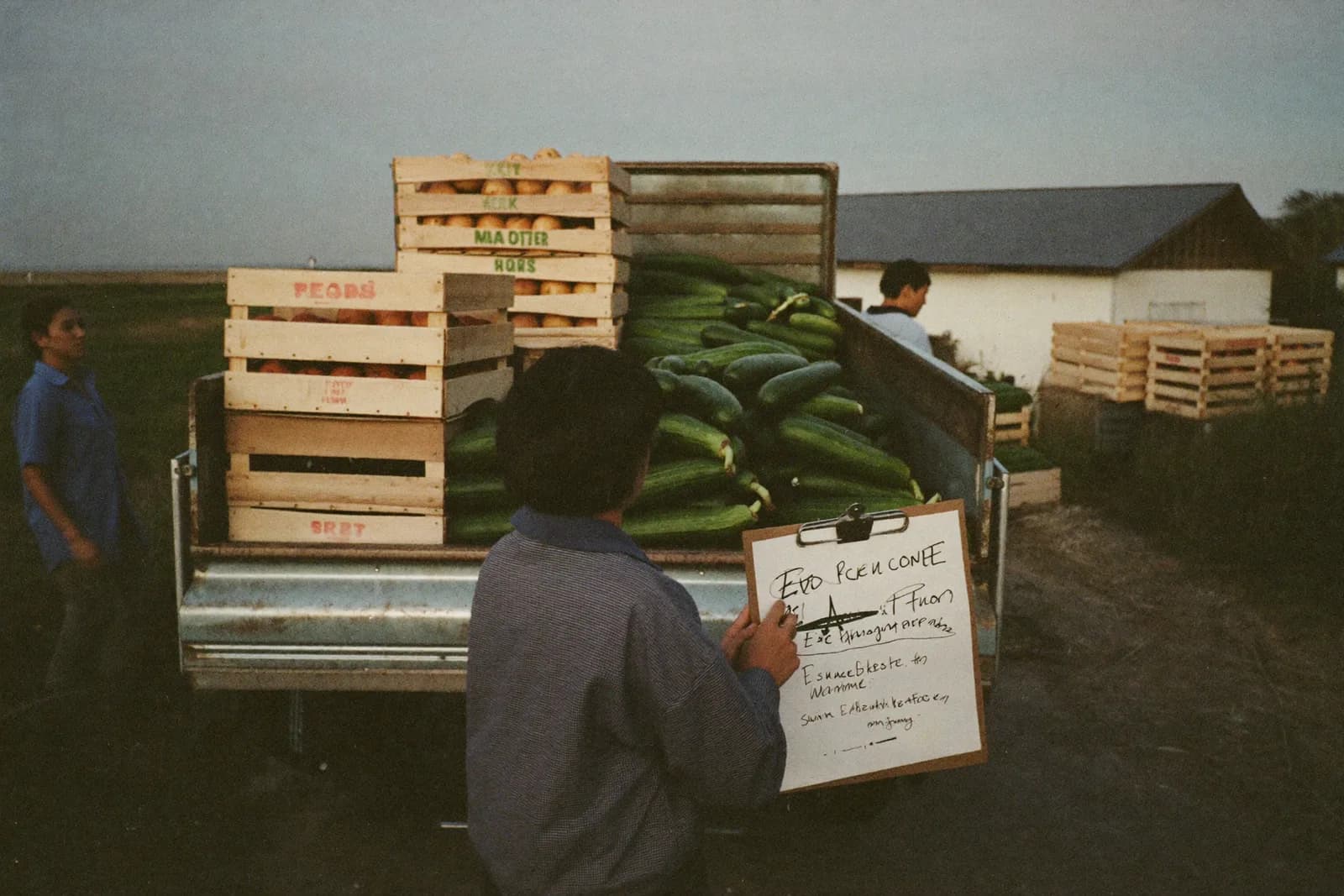
Fieldnote, the two-person startup rebuilding farm logistics
Maya Okonjo and one engineer route produce for 60 co-ops. They have turned down every offer of money that came with a plan to hire.

Company Profile
The company Priya Nair priced into existence
Loom&Co finished last year at $9.6M with 34 people and a 61% gross margin. Every structural decision in the building traces back to one sentence about queues.

Funding
The half that isn’t AI
Roughly half of every venture dollar in the world went to AI last year. For the founder building anything else, the number that matters isn’t that one — it’s the deal count underneath it.

Funding
The fifty-billion-dollar hangover
More than $51 billion is parked in roughly 150 software companies that haven’t raised in four years and mostly can’t. For the founders who never took the money, the reckoning reads less like a warning than a vindication.

Funding
Halyard passes $6M ARR, still no outside capital
The sailmaker crossed $6M in recurring revenue in June with 31 staff, two declined term sheets and four straight profitable years behind it.

Markets
The exit that didn’t come
The IPO window cracked open in 2025 — but only for a certain kind of company, and behind it sits a backlog of more than 1,500 unicorns worth $6 trillion that no exit market has cleared. What a founder building now should actually expect about ever getting out.
Markets
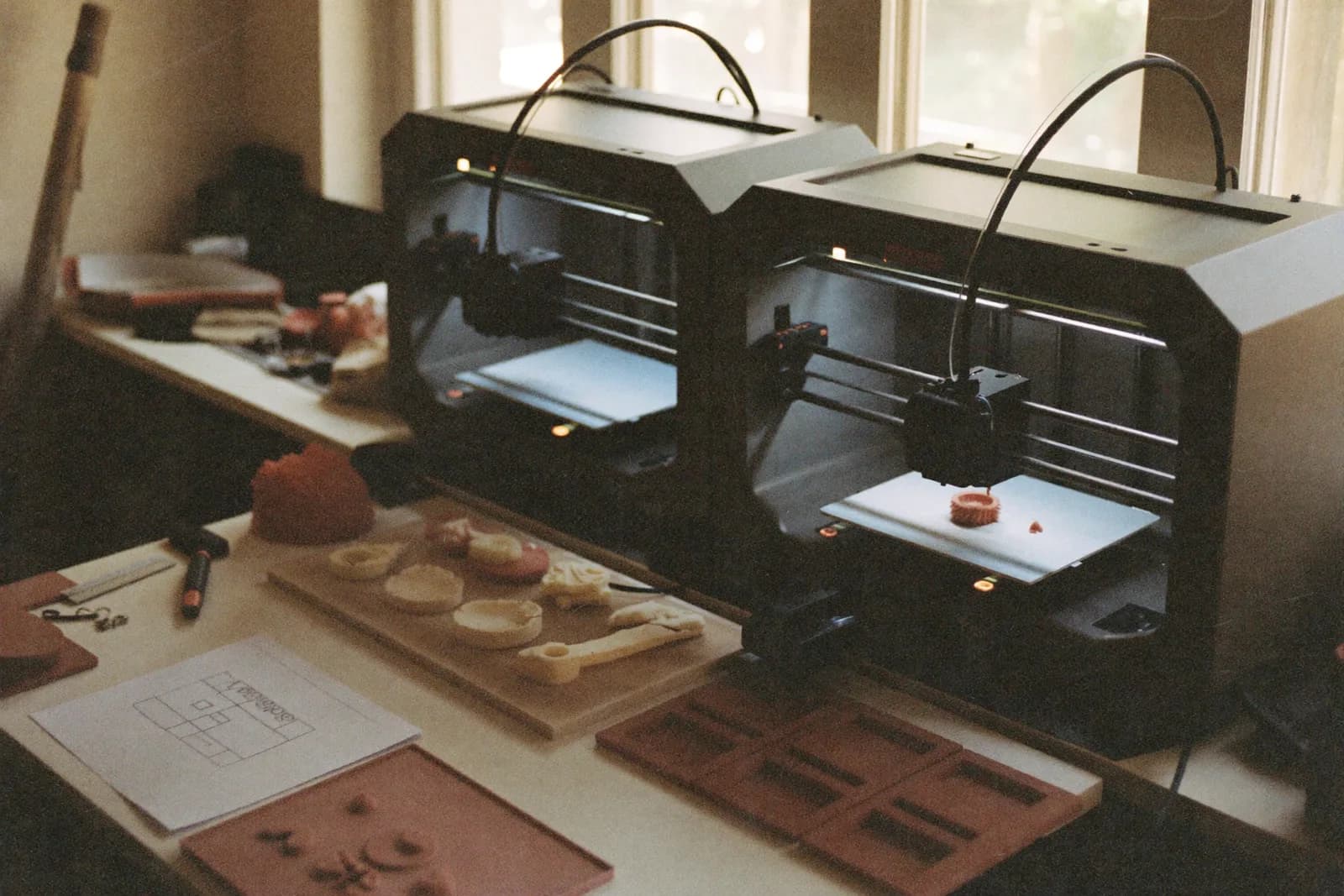
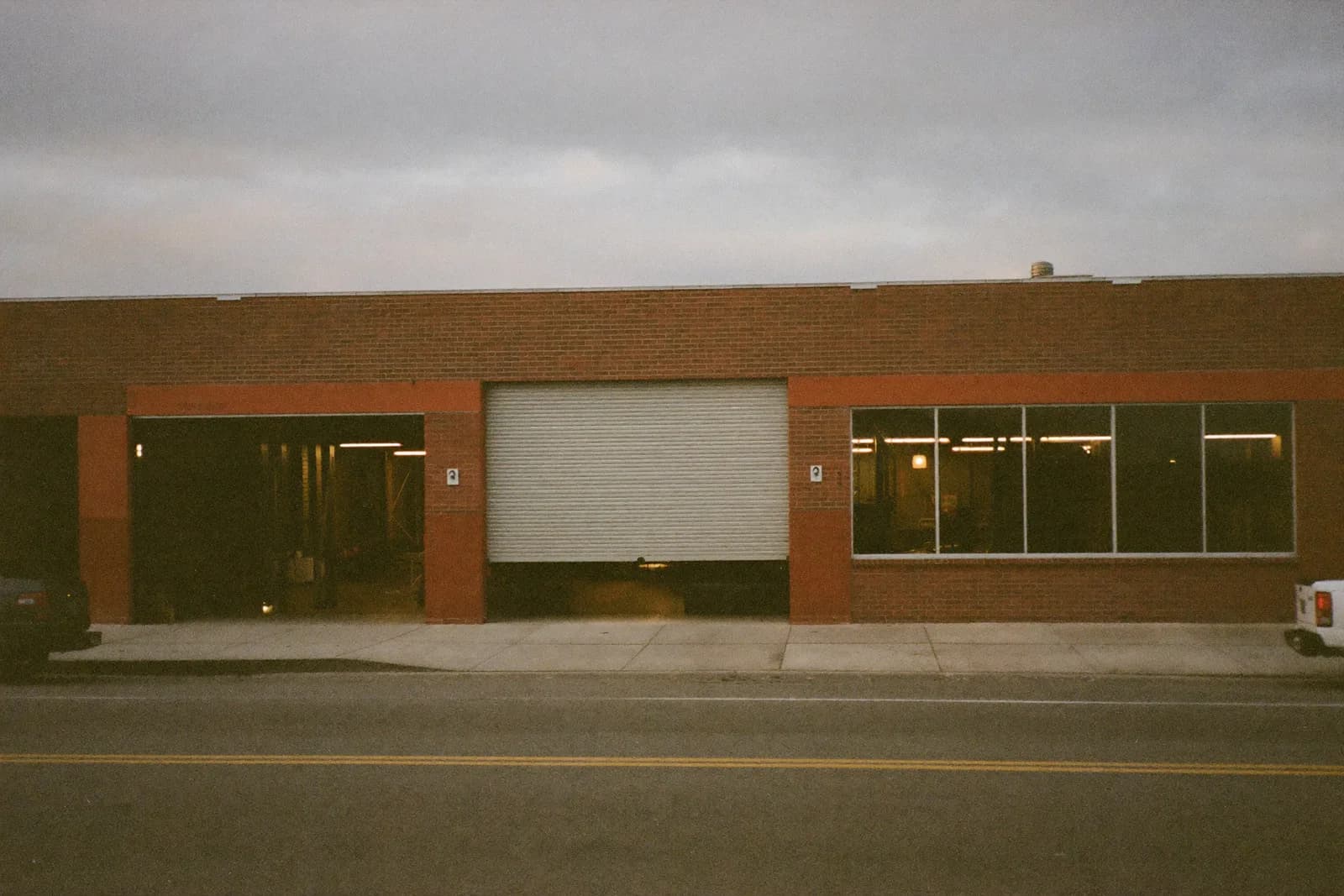
Micro-factory permits up 40% across mid-size US cities
The Sherwood Index counted 40% more small-scale manufacturing permits in converted retail space last year — and found the buildings cheap for a reason.
Markets
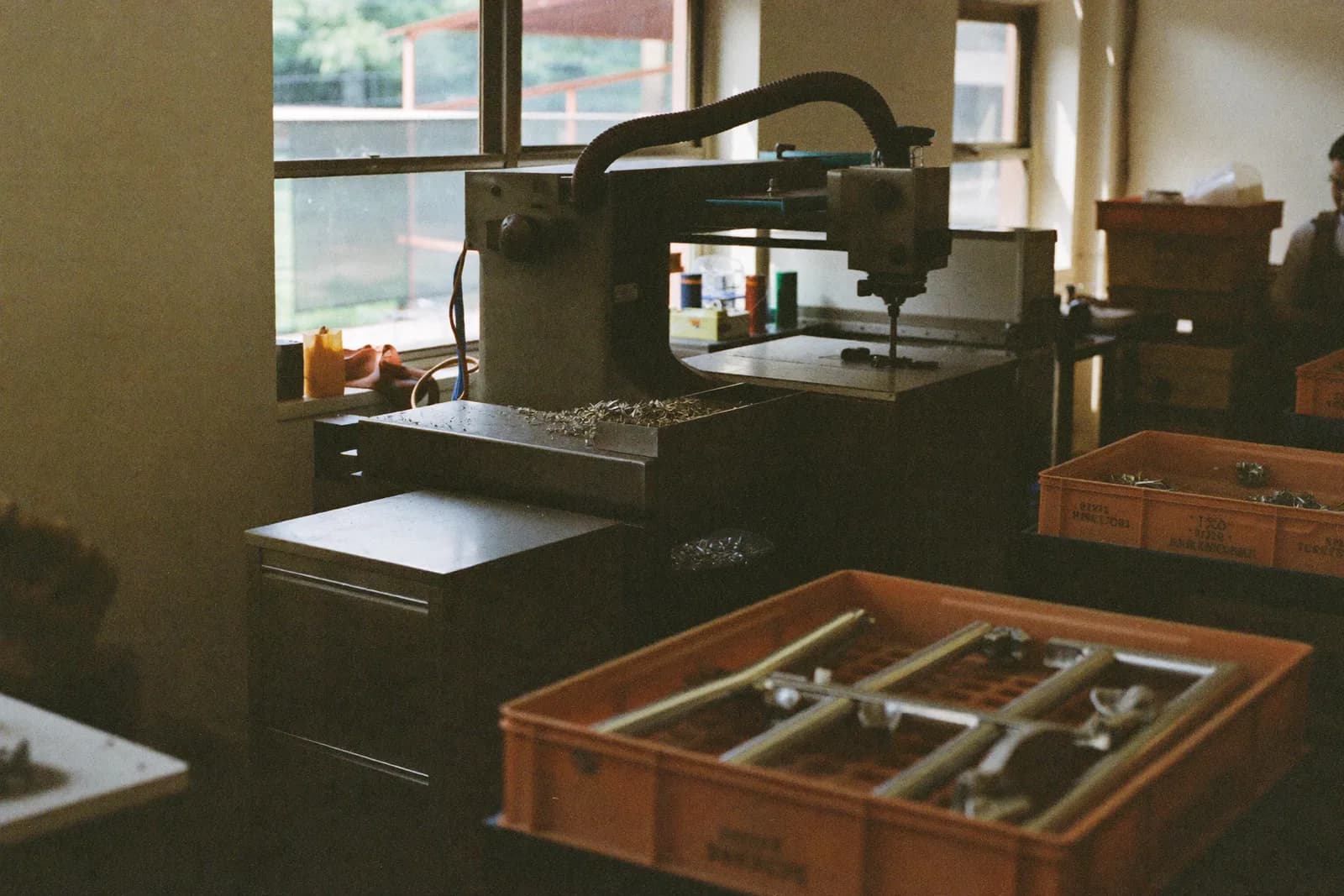
Why micro-factories are coming back to Main Street
Permits for small-scale manufacturing in converted retail space rose 40% year over year, according to the Sherwood Index. The reasons are unromantic: rent, freight and the person who lives four streets away.

People
The headcount was the vanity
For a decade the size of the team was the proof the company mattered. Then venture money started buying half as many people per dollar, a handful of AI startups cleared nine figures with staff you could seat at one table, and the number quietly changed sides.

People
Daniel Kwame leaves Nexa to launch a climate-logistics venture
Nexa’s eleventh employee is leaving the 4,000-person logistics company to build refrigeration monitoring for the freight lanes he helped design.
People
Leaving a unicorn to start over: Daniel Kwame’s second act
He was employee eleven at Nexa and watched it grow to four thousand people. At thirty-nine, he is starting again in a rented warehouse with two engineers and a spreadsheet.
Profile
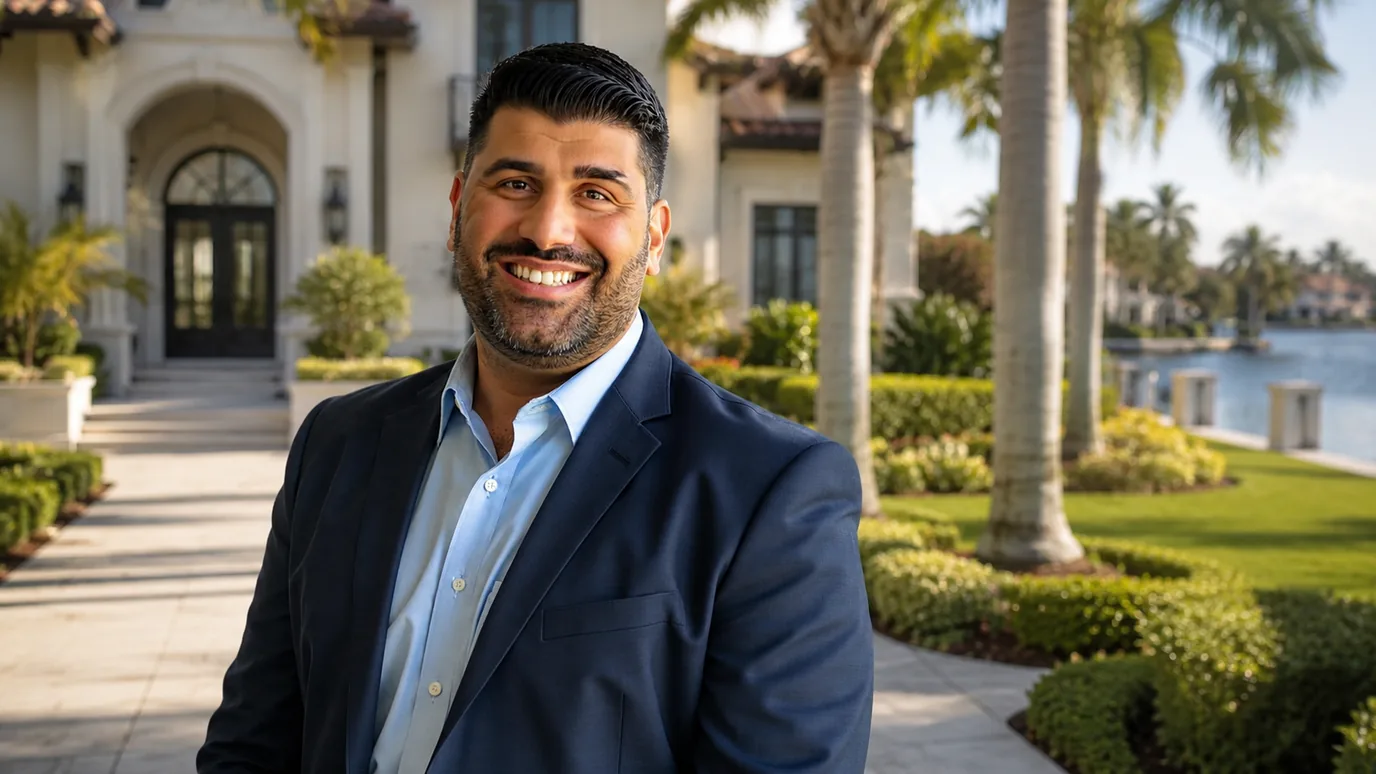
Before the Silence Becomes Expensive
Lou Carulli built Three Palms HomeWatch around a simple conviction: a luxury residence deserves more than reassurance. It deserves evidence.

Profile
The Business of Patience
From a nursery in Calabria, Roberto Liccardo has built WeBonsai into a company that sells a living product across Europe — and treats teaching the buyer how to keep it alive as part of the thing being sold.

Profile
The Slow Build
For more than sixty years, Vitsœ has sold essentially one idea: furniture you buy once, add to slowly, and take with you when you move. Its managing director has spent three decades refusing the faster ways to grow — and treats that refusal as the product.
Craft
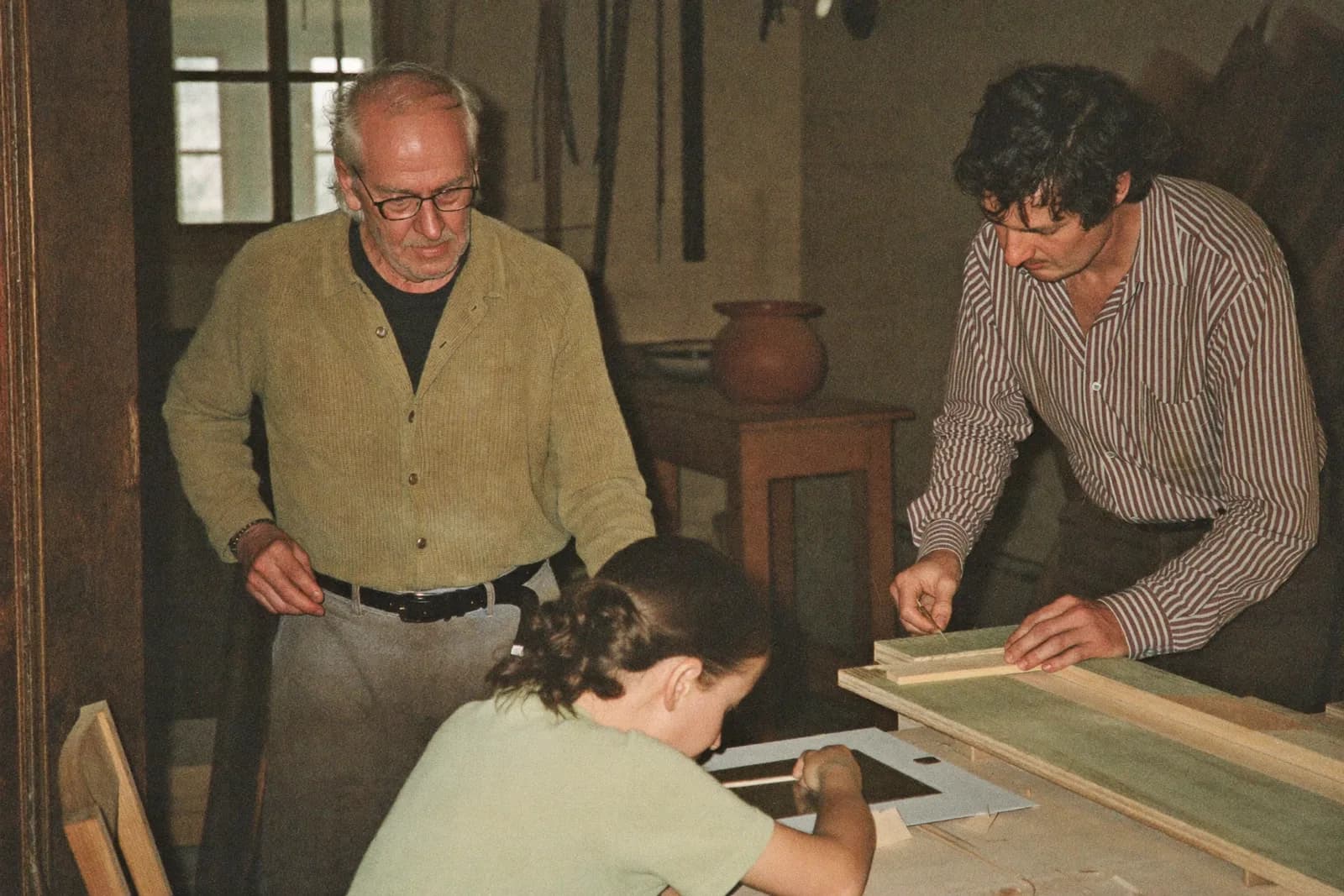
Heritage brands, new hands: apprenticeships as succession plans
Craft owners in their late sixties are handing companies to the people who swept their floors, and structuring it as a sale. The maths is worse than private equity and they’re doing it anyway.
Craft
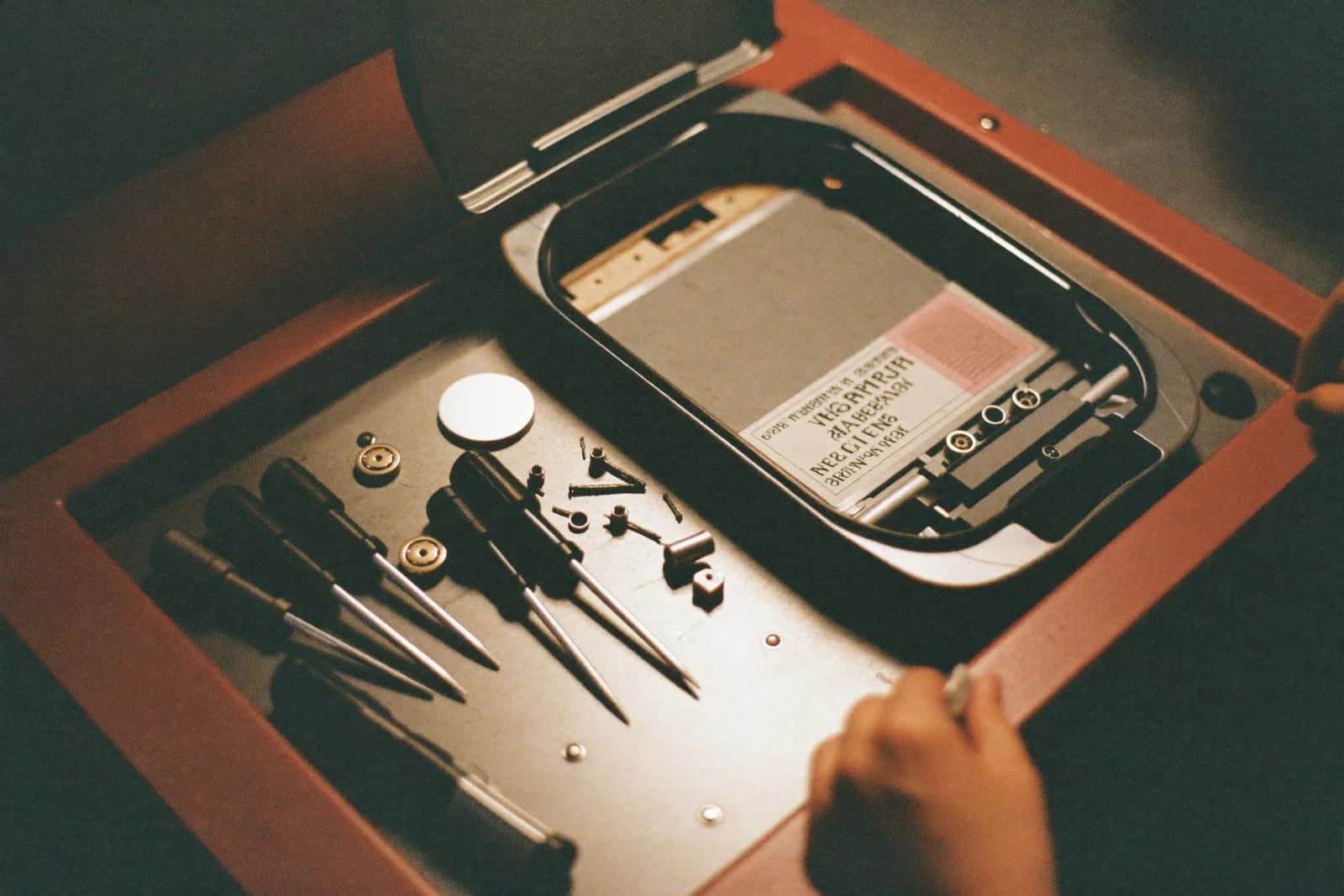
Built to be repaired: the return of the spare part
A wall of labelled bins, a published parts list and a $9 grille clip. Some small manufacturers have worked out that the repair is not a cost centre.

Tools
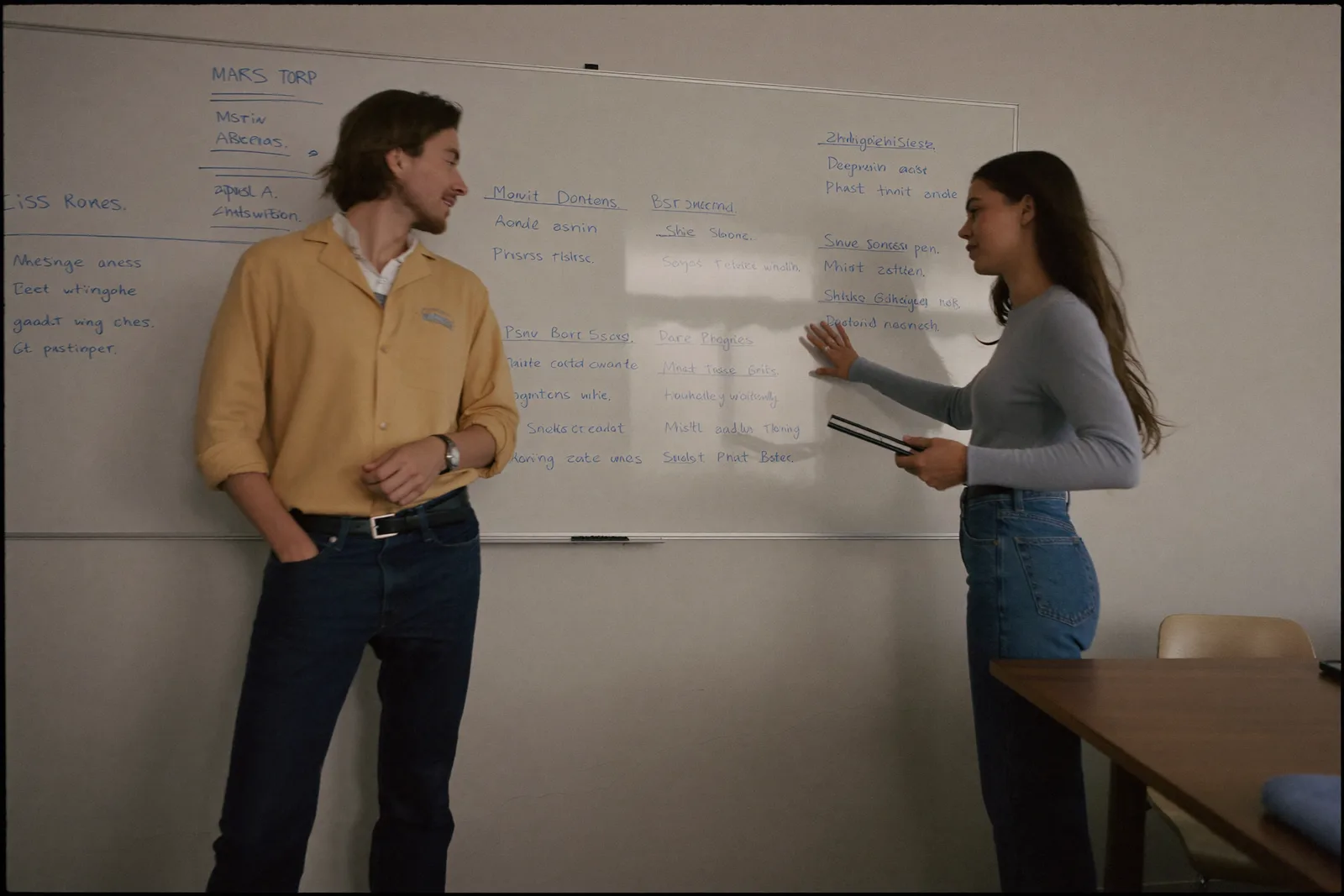
Back to paper: why analog planning is beating dashboards
Founders are cancelling the analytics stack and buying notebooks. The argument isn’t nostalgia — it’s that a dashboard measures and a page decides.
Tools
The quiet machines: automation that nobody announced
The dull half of small companies is being automated by people with no mandate, no budget line and no interest in telling anyone about it.